An anion gap calculator is a useful diagnostic tool for assessing an acid-base disorder in young patients. It assists clinicians understand an electrolyte imbalance, identify the likely cause of metabolic acidosis, and decide what additional testing may be needed. As pediatric patients have different physiology, growth patterns, and common illness patterns than adults, the clinical interpretation of the anion gap requires careful attention to age, albumin, and the overall picture of lab values and symptoms.
Used properly, this simple calculation can reveal clues about unmeasured anions in the blood and support a broader metabolic evaluation. It is not a stand-alone diagnosis. Rather, it is part of a larger review of serum chemistry, the child’s condition, and any signs of an acidic state that may need urgent care.
How the Anion Gap Evaluates in Children
The anion gap is a calculated value that estimates the difference between recorded positively charged and negatively charged particles in the blood. In practice, it is derived from serum sodium, serum chloride, and serum bicarbonate. This calculation formula is a way to detect an anion difference that may suggest extra acids or other unmeasured anions.
In children, the anion gap is especially valuable when evaluating metabolic acidosis. If the gap is elevated, it often suggests the body has accumulated acids that are not directly measured on a basic electrolyte panel. If the gap is normal, the problem may be related to loss of bicarbonate or another process that does not increase unmeasured acids.
Knowing the buffer system matters here. The body maintains pH through coordinated changes in respiration, kidney function, and bicarbonate balance. When that system is disrupted, the anion gap can provide useful interpretive guidance about the direction of the problem. Still, the number itself must be viewed in context with the child’s symptoms, hydration status, and other blood chemistry findings.
Using an Anion Gap Calculator
An anion gap calculator usually needs three inputs: sodium input, serum chloride, and bicarbonate input. These numbers come from a standard electrolyte panel or broader serum chemistry testing. The calculator then applies the standard formula to determine the anion gap.
A common calculation is:
Anion gap = serum sodium - (serum chloride + serum bicarbonate)
Some laboratories use variations that account for potassium, but the sodium-based formula is widely used for pediatric assessment because it is straightforward and consistent. The result should then be compared with the lab’s reference interval and the child’s clinical status.
To use the calculator effectively:
- Input the most recent blood chemistry values from the same sample when possible. Look for obvious data entry errors before relying on the result. Consider whether the child has signs of dehydration, infection, or another condition that changes acid-base balance. Read the number alongside the bicarbonate level, not in isolation.
The calculator is best thought of as a fast screen for an acid-base disorder. It does not replace clinical reasoning or a full differential diagnosis. In pediatric care, the real value is in relating the calculation to the child’s symptoms, exam findings, and other lab values.
Child Reference Ranges and Typical Values
A pediatric reference range for the anion gap may differ slightly by laboratory, developmental stage, and measurement technique. A standard anion gap does not mean the child is free of illness, and an abnormal value does not always mean a medical problem. It simply gives an indication that must be read cautiously.
Pediatric patients may have age-related differences in serum chemistry because renal function, body water volume, diet, and illness patterns shift during development. Infants, children, and adolescents may all show small differences in electrolytes and acid-base balance. For this reason, laboratory-specific norms are important.
Laboratory variation also matters. Different analyzers and measurement methods can alter the reported result. A number that appears mildly elevated in one lab may be considered normal in another. That is why pediatric interpretation should always use the laboratory reference interval and not rely on a single universal cutoff.
In general, the anion gap is used as a screening marker rather than a definitive diagnostic endpoint. A mildly different value may reflect typical variation, while a larger abnormality suggests a more serious acid-base problem that warrants follow-up.
Correcting the Anion Gap for Albumin
Serum albumin serves as a key unmeasured negatively charged ion in blood. If albumin levels are low, the measured anion gap may look falsely normal or only mildly elevated even when an acid load is present. This is why albumin correction is so important in pediatric care.
Hypoalbuminemia can occur with illness, inflammation, poor nutrition, kidney disease, or fluid shifts. In such cases, the uncorrected number may underestimate the severity of the problem. Calculating a corrected anion gap offers a better estimate of the true acid burden and improves the accuracy of the clinical interpretation.
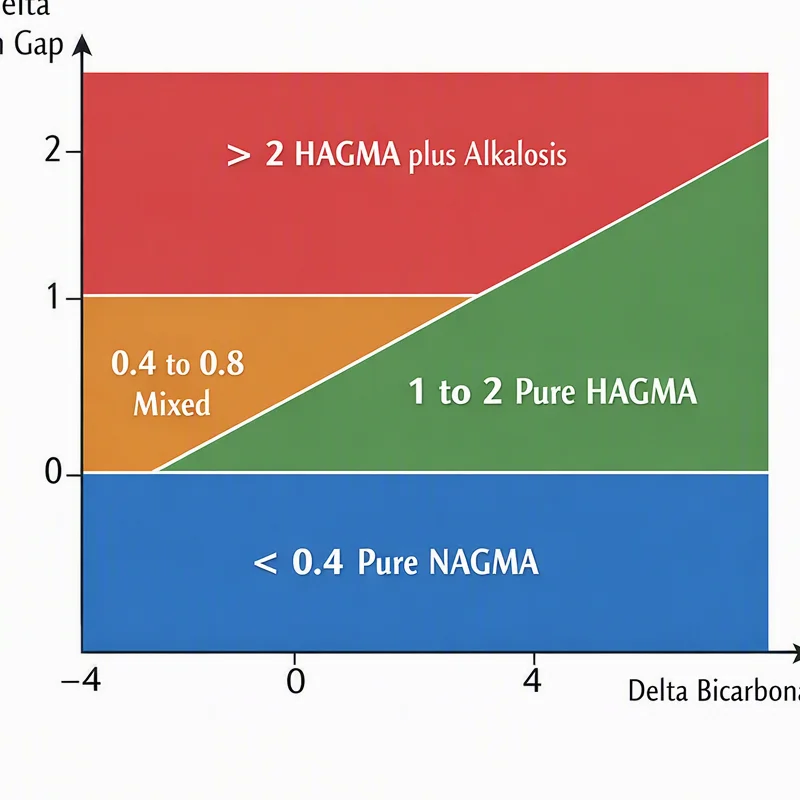
Even though formulas can vary, the principle is consistent: if albumin is low, the gap should be adjusted upward to account for the missing negative charge. This is frequently termed the albumin-adjusted gap. The correction is especially important when evaluating a child with a suspected acid-base disorder but a less dramatic anion gap than expected.
Using the corrected result improves better diagnostic reasoning. It can help distinguish a truly normal gap from one that only appears normal because of low albumin. In a child with metabolic acidosis, that distinction can change the differential diagnosis and the next steps in care.
Increased anion gap metabolic acidosis in Pediatrics
High anion gap metabolic acidosis indicates there is a buildup of acids or acid-producing compounds that are not directly measured in the standard electrolyte panel. This is a major reason clinicians use the anion gap calculator in pediatrics. It narrows the differential diagnosis and aids in identifying potentially urgent conditions.
Common pediatric causes include lactic acidosis, ketoacidosis, and renal failure. These conditions raise unmeasured acids in the blood, lowering bicarbonate and expanding the gap. In children, lactic acidosis may occur with reduced blood flow, serious infection, or shock. Ketoacidosis can occur with diabetes, prolonged fasting, or other states of insufficient carbohydrate intake. Renal failure impairs the body’s ability to excrete acid, resulting in accumulation.
Other less common causes also belong in the differential diagnosis, especially if the presentation is marked or unexpected. A child with an elevated gap may need urgent evaluation for toxin exposure, tissue hypoxia, or inherited metabolic disorders depending on the history and exam.
When the gap is high, the next question is not just “How high is it?” but “Why is it high?” This question guides further testing, treatment priorities, and the level of monitoring needed.
Typical Anion Gap Acid-Base Acidosis in Pediatrics
Normal anion gap metabolic acidosis is also known as chloride-responsive acidosis because chloride often rises as bicarbonate drops. The anion gap stays within the expected limit, but the child still has acid-base acidosis. For this reason a normal result should not be dismissed if the clinical picture suggests an acid-base problem.
Two common pediatric causes are loose stools and renal tubular acidosis. With anion gap as marker in sepsis diarrhea, the body loses bicarbonate through the gastrointestinal tract, leading to loss of bicarbonate. In renal tubular acidosis, the kidneys fail to appropriately reclaim bicarbonate or excrete acid, so acid builds up without a large increase in unmeasured anions.
Because the anion gap stays normal, recognition depends on combining the calculation with the bicarbonate level and the overall clinical picture. A child with persistent loose stools, reduced intake, or growth concerns may have a normal-gap acidosis that is hard to detect without careful review of the electrolyte panel.
This is where pediatric assessment matters. A normal gap is not reassuring if the child appears ill, dehydrated, or acidotic. It simply points clinicians toward a different mechanism of acid-base disruption.
Frequent Causes, Practical Clues, and Next Measures
Many frequent pediatric illnesses can influence the anion gap and should be considered during interpretation. Poisoning from swallowing is one important cause of high-gap acidosis, especially when the history is unclear or the child has sudden neurologic changes. Sepsis can produce lactic acidosis through poor tissue perfusion and systemic inflammation. Dehydration may concentrate labs and worsen acid-base imbalance, especially when accompanied by vomiting, diarrhea, or poor intake.
An arterial blood gas can be very helpful when the electrolyte panel suggests a problem but the severity is uncertain. It provides a direct look at pH, carbon dioxide, and bicarbonate status, helping confirm whether the child truly anion gap in chronic kidney disease has metabolic acidosis and whether respiratory compensation is present.
Subsequent steps depend on the clinical setting. In a stable child, repeat testing and careful history may be enough. In a child who appears toxic, lethargic, or severely dehydrated, urgent evaluation is needed. Additional studies may include glucose, lactate, ketones, kidney function tests, toxicology testing, and infection workup. The anion gap is best used as part of a broader metabolic evaluation rather than as a stand-alone answer.
Drawbacks of Anion Gap Calculation in Children
Although useful, the anion gap has important limitations in pediatric interpretation. One major issue is combined acid-base disturbances. A child may have more than one process at the same time, such as vomiting plus sepsis, which can make the gap harder to interpret. In such cases, a “normal” value may hide a significant disturbance, or a high value may reflect combined processes rather than a single cause.
Laboratory error is another concern. Pre-analytic issues, sample handling problems, or transcription mistakes can distort serum sodium, serum chloride, or serum bicarbonate values. Even small errors can shift the calculated result enough to mislead clinical reasoning.
The albumin effect is especially important in children with disease, swelling, or malnutrition. If serum albumin is low, the unadjusted number may downplay the real acid burden. That is why a revised result can be more useful than the raw value alone.
Finally, pediatric interpretation requires careful context. Growth stage, illness severity, hydration, kidney function, and medication exposure all influence blood chemistry. A value should never be interpreted in isolation from the child’s symptoms, exam, and additional testing.
Used wisely, the anion gap calculator aids strong diagnostic reasoning. Used alone, it can confuse. The best approach is to consider the calculation as one part of a carefully integrated clinical picture.
Frequently Asked Questions
What is the normal anion gap in pediatric patients?
The pediatric reference range for the anion gap depends on the laboratory method and the child’s age, so there is no universal value. In general, clinicians check the result with the lab’s stated normal range and consider whether serum albumin is low, because hypoalbuminemia can make the gap look reduced than expected.
How do you calculate the anion gap in children?
The standard anion gap calculation uses serum sodium minus the sum of serum chloride and serum bicarbonate. This calculation formula is commonly built into an anion gap calculator and is usually applied to values from the same electrolyte panel for reliable clinical interpretation.
Why should albumin be considered when interpreting the anion gap?
Serum albumin is a major unmeasured anion, so low albumin can obscure an elevation in the gap. Using an albumin correction helps calculate the corrected anion gap and reduces the risk of missing an acid-base disorder in a child with hypoalbuminemia.
What causes a high anion gap metabolic acidosis in pediatrics?
Frequent reasons of high anion gap metabolic acidosis in children include lactic acidosis, ketoacidosis, and renal failure. Other important possibilities include toxic ingestion, sepsis, and other conditions that increase unmeasured acids in the blood.
Can metabolic acidosis occur with a normal anion gap?
Yes, it can. A child can have normal anion gap metabolic acidosis when bicarbonate is lost or acid handling is impaired without accumulation of unmeasured anions. Frequent examples include diarrhea and renal tubular acidosis, both of which can cause bicarbonate loss and true metabolic acidosis despite a normal gap.