What the Anion Gap Represents
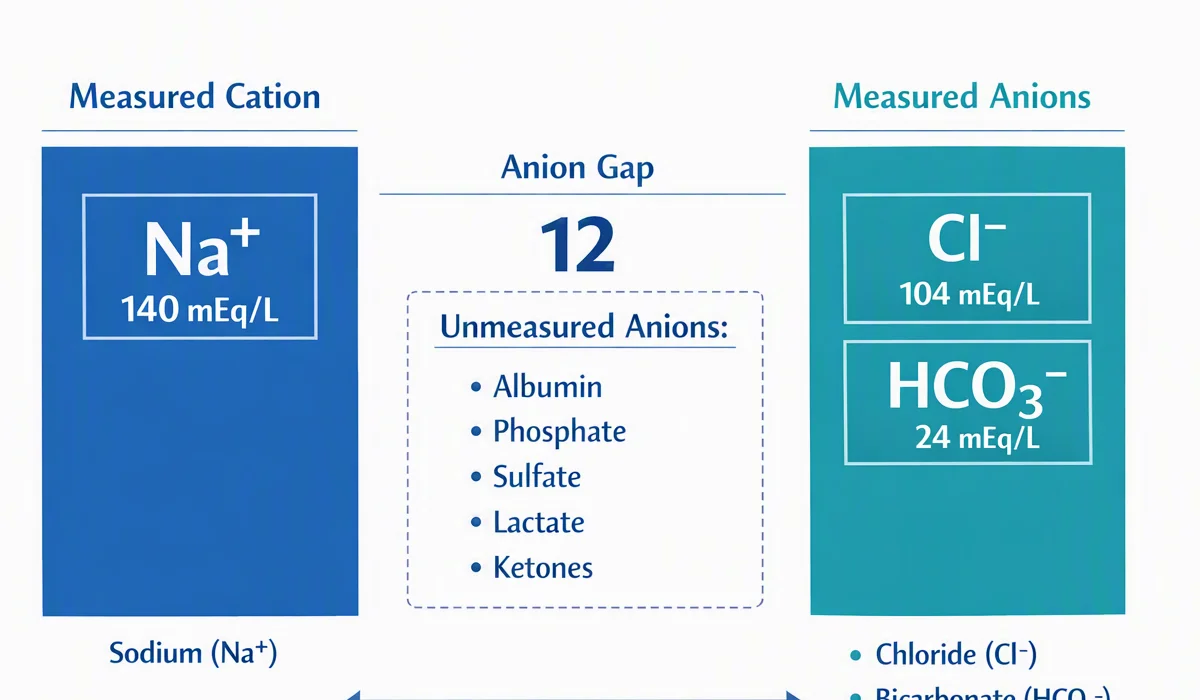
The anion gap is a calculated value from routine electrolytes that helps clinicians interpret acid-base balance. It is usually derived from serum sodium, serum chloride, and serum bicarbonate, and it serves as a practical clue to hidden acids in the blood. In simple terms, the anion gap calculation contrasts measured positively charged and negatively charged ions in serum chemistry to estimate whether unmeasured anions are accumulating.
This is where an anion gap calculator becomes useful. By rapidly organizing the laboratory values, it can support faster recognition of a metabolic derangement. The result does not diagnose a condition by itself, but it can act as a diagnostic marker that points toward an acidotic state and helps refine the differential diagnosis.
The anion gap is especially important because many serious illnesses alter acid-base balance before the full clinical picture is obvious. In critical care, a rising anion gap may reflect worsening perfusion, evolving organ dysfunction, or a response to resuscitation. The number should always be interpreted in clinical context, not as an isolated lab result.
Why the Anion Gap Matters in Shock
Shock is a state of inadequate perfusion and limited oxygen delivery to tissues. When tissues do not get enough oxygen, they shift toward anaerobic metabolism, which promotes lactate accumulation and can lead to lactic acidosis. This process often results in metabolic acidosis with an elevated anion gap.
The relationship between shock and the anion gap is clinically important because shock is not one single disease. Hypovolemic shock, cardiogenic shock, obstructive shock, and distributive shock can all lead to hemodynamic instability, but through distinct mechanisms. Despite those differences, they may each cause tissue hypoperfusion and rising lactate if oxygen delivery is inadequate.
In sepsis, the problem may include both impaired perfusion and abnormal cellular metabolism. In ischemia, tissues are directly deprived of blood flow. In either scenario, the anion gap can serve as a bedside clue that the body is under metabolic stress. A increasing gap often indicates that the acid-base problem is more than mere dehydration or isolated electrolyte loss.
That said, the anion gap is not a ideal severity score. It is an element of the broader picture that includes blood pressure, mental status, urine output, lactate, and response to resuscitation. Used well, it helps identify the biochemical footprint of shock and supports ongoing reassessment.
How to Calculate the Anion Gap
Many clinicians determine the anion gap from serum sodium, serum chloride, and serum bicarbonate. An anion gap calculator can automate the math and reduce transcription errors during urgent decision-making. The common formula is:
anion gap = sodium − (chloride + bicarbonate)Because albumin is a important unmeasured anion, low albumin can make the gap appear spuriously normal or only mildly elevated. That is why albumin correction is needed. A low measured gap may conceal a true acid burden unless the corrected anion gap is calculated.
For many clinicians, the corrected value is more useful than the raw number in critically ill patients. If albumin is low, the correction can reveal a more accurate picture of acid-base status and support earlier recognition of high anion gap metabolic acidosis. This is especially useful in patients with severe illness, fluid shifts, inflammation, or prolonged hospitalization.
The anion gap should also be interpreted alongside serum bicarbonate. A low bicarbonate level supports metabolic acidosis, but the gap determines whether the acidosis is likely due to unmeasured acids such as lactate, ketones, or toxins. In other words, the calculator is not just a math tool; it is a way to connect serum chemistry to the underlying cause of illness.
Causes of a High Anion Gap in Circulatory collapse
A high anion gap in shock usually means unmeasured acids are accumulating. The most common cause is lactate. When perfusion is inadequate, cells generate energy through oxygen-independent pathways, and lactate accumulates. This is the characteristic pattern in lactic acidosis, especially when shock is sustained or marked.
Sepsis is a common setting for increased lactate and a elevated anion gap. In septic shock, inflammatory mediators, microcirculatory dysfunction, and mitochondrial abnormalities may contribute to lactate elevation even when blood pressure is being supported. The anion gap can help reinforce that the patient is experiencing metabolic stress, not just hypotension.
Ischemia from bowel compromise, limb ischemia, or other low-flow states can also elevate the gap. In these cases, the source of acid generation may be focal tissue injury, but the systemic laboratory pattern can still signal a critical process. The combination of rising gap and worsening symptoms should prompt urgent evaluation.
Toxic ingestions are another important consideration. Toxic alcohols such as methanol and ethylene glycol can produce high anion gap metabolic acidosis and may coexist with shock-like physiology or organ dysfunction. They should remain on the differential diagnosis, especially when the clinical story does not fully fit perfusion failure alone.
Other contributors may include renal dysfunction, ketoacidosis, or mixed acid-base disorders, but in a patient with shock the first concern is often whether rising lactate reflects inadequate resuscitation or ongoing tissue hypoperfusion. The pattern should always be paired with hemodynamic data and repeat laboratory values.
Normal Anion Gap Does Not Exclude Shock
A normal anion gap does not rule out shock. Early in the course of illness, the acid-base picture may still look deceptively mild. This is particularly true in early shock, as tissue hypoperfusion develops but lactate has not yet climbed significantly or has not yet been checked at the right time.
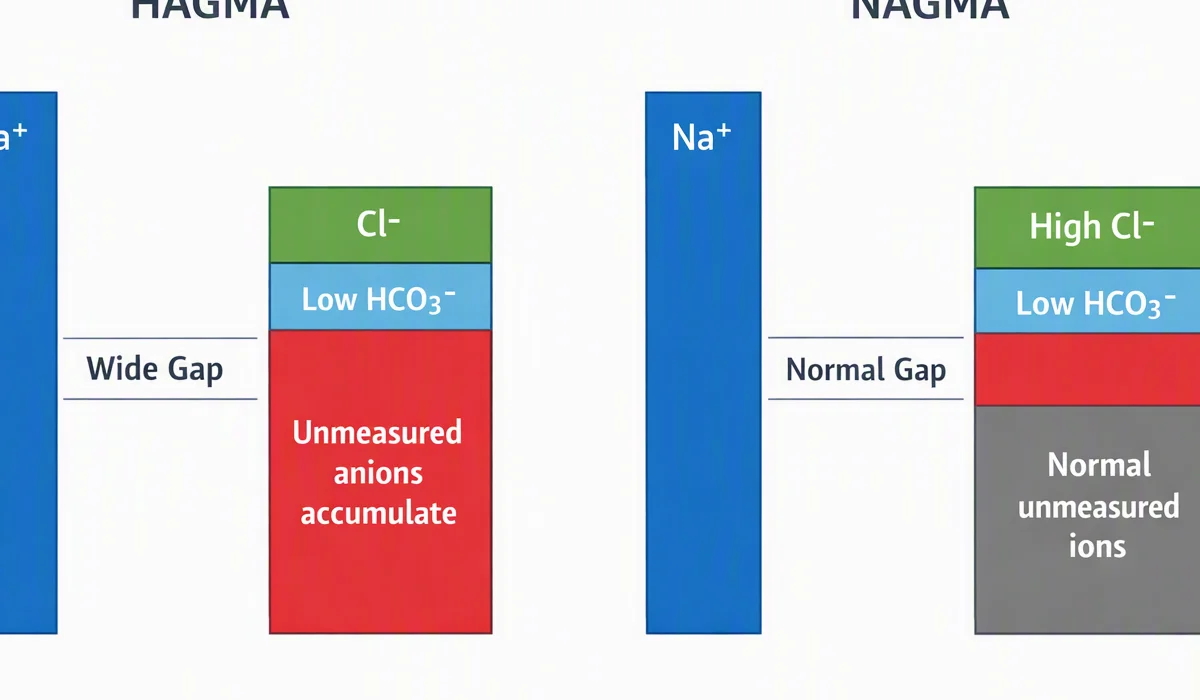
Shock can also present with normal anion gap metabolic acidosis. For instance, chloride-rich fluid administration may cause hyperchloremia and a non-anion-gap acidosis. In that case, the patient may still be critically ill even if the anion gap is not elevated. The acid-base pattern can change as treatment progresses, so trend analysis matters.
An arterial blood gas can provide additional context by showing pH, bicarbonate estimate, and respiratory compensation. Still, a normal or near-normal pH on blood gas does not exclude a serious process when compensation is masking the underlying disorder. The anion gap and the arterial blood gas should be interpreted together, not in isolation.
Therefore, a normal gap should not reassure clinicians when the bedside picture suggests low perfusion, altered mental status, oliguria, or rising vasopressor needs. Shock is fundamentally a problem of oxygen delivery and organ dysfunction, and the laboratory pattern may lag behind the physiology.
Interpreting the Result in Context
The anion gap is most valuable when you interpret it in the context of the full bedside picture: blood gas, vital signs, urine output, mental status, and overall clinical assessment. A single number cannot distinguish every cause of metabolic acidosis, but it can raise concern for a specific process when the clinical pattern fits.
Base deficit is another useful marker here. A more negative base deficit often suggests a greater metabolic acid load and can support concern for shock-related hypoperfusion. https://anion-gap-analyzer575.evergrovio.com/posts/what-is-uncounted-anions-in-blood When combined with lactate, base deficit may help define the severity of the metabolic abnormality and the patient’s response to resuscitation.
Albumin correction is especially important in critical illness because low albumin can mask a clinically meaningful gap. In a patient with low albumin and borderline results, the corrected anion gap may reclassify the acid-base disorder and reveal an occult high anion gap metabolic acidosis. This matters for both diagnosis and treatment planning.
It is also helpful to think in terms of pattern recognition. A rising gap with worsening lactate suggests ongoing anaerobic metabolism or a new source of acid. A stable gap with normal lactate but persistent acidosis may indicate another mechanism, such as renal dysfunction or hyperchloremia. This type of interpretive flexibility is part of good critical care practice.
Ultimately, the anion gap should inform, not replace, clinical judgment. It is best viewed as a dynamic marker that tracks changing physiology during resuscitation, especially when paired with serial laboratory values and hemodynamic monitoring.
When to Recheck Labs and Escalate Care
In shock, laboratory reassessment should be driven by the patient’s condition and the treatment response. If there is continued hemodynamic instability, worsening acidosis, or concern for inadequate perfusion, repeat labs are indicated. Rechecking the anion gap, bicarbonate, lactate, and related electrolytes helps determine whether resuscitation is working.
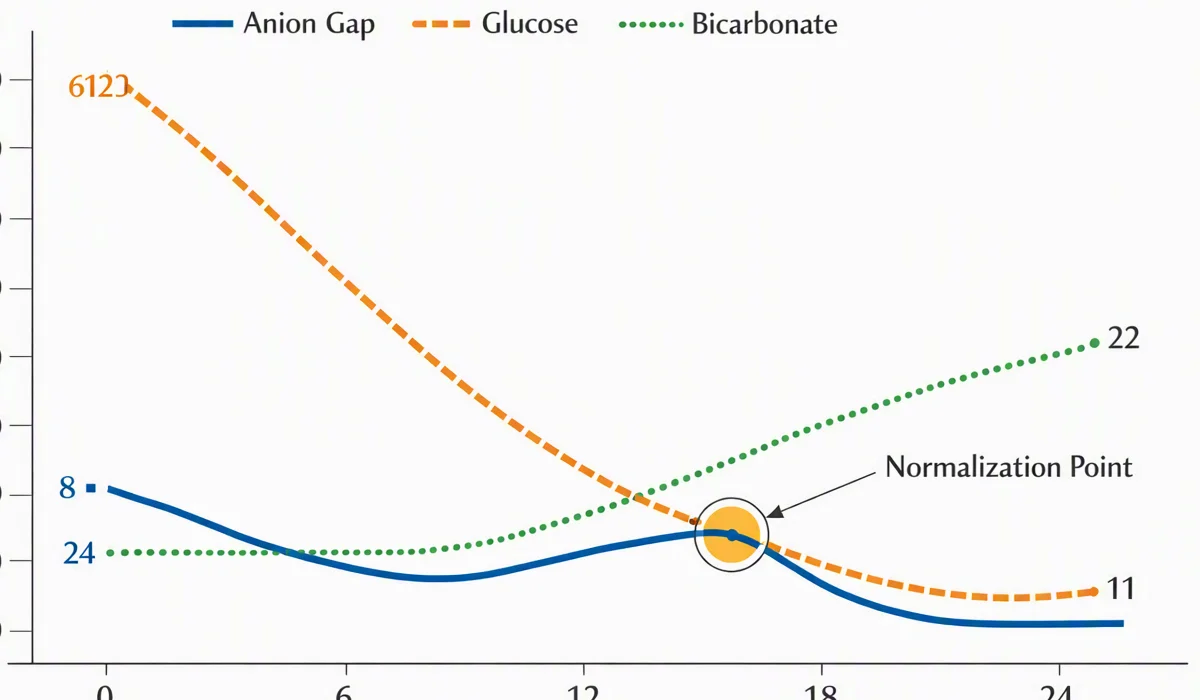
Lactate trend is especially useful. A falling lactate generally suggests better perfusion and improved oxygen delivery, while a continuously high or rising lactate can signal unresolved shock, ongoing ischemia, or a unrecognized condition. The anion gap often moves in parallel, though not perfectly, so trend analysis should include both.
Escalation to critical care is recommended when the clinical picture shows progressive organ dysfunction, increasing vasopressor requirements, refractory acidosis, or concern for toxic alcohols, sepsis, or ischemia. The combination of high anion gap metabolic acidosis, rising lactate, and worsening hemodynamics should prompt urgent reassessment of source control, perfusion, and underlying cause.
Close monitoring often includes serial serum chemistry panels, repeat blood gas testing, and careful bedside reassessment after fluids, vasopressors, or other interventions. The goal is not to chase a single number, but to verify that resuscitation is restoring perfusion and reversing the metabolic consequences of shock.
FAQ
What is the anion gap in shock?
The anion gap in shock is a computed laboratory measurement used to identify metabolic acidosis due to unmeasured acids, usually lactate. During shock, it provides a useful hint that poor tissue perfusion may be lowering oxygen delivery and causing anaerobic metabolism. It should be interpreted alongside blood pressure, lactate, blood gas results, and the overall clinical picture.
Why can shock lead to a high anion gap?
Circulatory shock can cause a high anion gap because inadequate perfusion leads to lactate build-up and acidic lactate accumulation. When tissues do not receive adequate oxygen, they produce additional acid through anaerobic metabolism. Sepsis, ischemia, and severe hemodynamic instability can all contribute to this finding.
Can shock occur with a normal anion gap?
Indeed. Shock can present with a typical anion gap, especially in early shock or when the patient has non-anion gap metabolic acidosis from hyperchloremia or fluid administration. A regular gap does not exclude serious hypoperfusion, so arterial blood gas results, lactate, and clinical assessment are essential.
How does albumin affect the anion gap?
Albumin is a important nonmeasured anion, so decreased albumin can reduce the observed anion gap and render a true acid-base disorder look harder to see. For this reason albumin correction is crucial. The corrected anion gap may expose a hidden high anion gap metabolic acidosis in critically ill patients.
How often should the anion gap and lactate be rechecked in shock?
The timing depends on the extent of the condition and the reaction to emergency treatment. When patients are unstable, follow-up labs are often necessary after treatment changes and at set intervals to monitor the lactate trend and electrolyte changes. During critical care, the aim is repeated assessment until perfusion improves and the metabolic abnormalities begin to resolve.